How to Run a Beer League Without Losing Your Mind (or Your Friends)
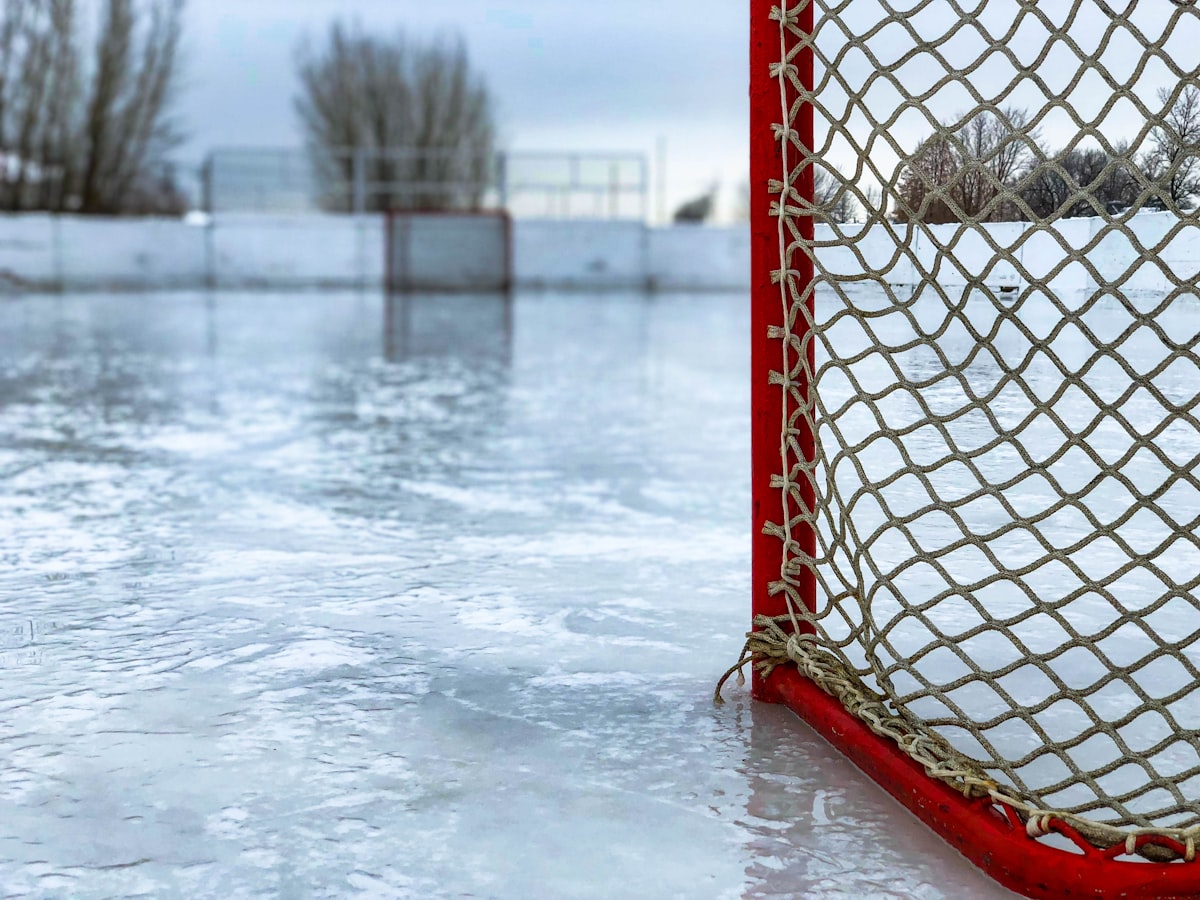
So you've decided to run a beer league. Maybe you drew the short straw. Maybe nobody else volunteered. Maybe you're just the kind of person who thinks, "How hard can it be?" and then immediately finds out exactly how hard it can be.
Welcome to the club. There are no trophies for commissioners — just group chat chaos, Venmo requests that go ignored for weeks, and the quiet satisfaction of knowing that 40 adults get to act like kids once a week because of you.
Here's everything I've learned about how to run a beer league without completely losing it.
Step 1: Figure Out What Kind of League You're Running
Before you book a single rink, field, or court, answer the big question: what's the vibe?
- Ultra-casual: Nobody keeps score (they do, but unofficially). The post-game hangout is longer than the game itself.
- Competitive-casual: People care about winning but won't fight about it. Standings exist. Playoffs happen. Beer still flows.
- Way too serious: Matching jerseys, pre-game warmups, someone has a clipboard. You've gone too far.
Most beer leagues land somewhere in the competitive-casual zone, and that's the sweet spot. People want to compete — they just don't want it to ruin their Tuesday night.
Step 2: Lock Down Your Venue and Schedule
This is where dreams meet reality. You need ice time, field space, or gym availability — and you need it consistently.
Tips that actually help:
- Book the same time slot every week. Consistency is everything when people are juggling work, kids, and life.
- Get a full season's worth of dates locked in before you start recruiting. Nothing kills momentum like "we'll figure out the schedule later."
- Build in a couple bye weeks. Holidays, weather, and venue conflicts will happen.
- If you're sharing space with other leagues, get your agreement in writing. Memory gets fuzzy when there's a scheduling conflict in week 7.
Pro tip: once you've got your dates, use something like Beer League to build and share the schedule. Texting a schedule to 60 people is a recipe for "wait, when do we play?" messages until the end of time.
Step 3: Set Up Your Teams (Without Starting Drama)
Team formation is where politics enter the chat. Here are your options:
- Captain's draft: Classic. Captains pick teams, everybody pretends they're not offended by when they were chosen.
- Self-formed teams: Groups of friends sign up together. Easier to organize, but skill balance goes out the window.
- Commissioner assigns: You play god. It's stressful but usually produces the most balanced league.
Whatever you choose, set the roster rules early. How many players per team? Are subs allowed? Can subs play in playoffs? Get this sorted before game one or you'll be arbitrating disputes in a parking lot at 10 PM.
Step 4: Money — The Awkward but Necessary Part
Ah, league fees. The thing everyone agrees to pay and then somehow forgets about for six weeks.
Here's what works:
- Collect fees before the season starts. No pay, no play. This is the only rule that actually works.
- Be transparent about where the money goes — ice time, refs, jerseys, end-of-season party. People are way more willing to pay when they see the breakdown.
- Use digital payments. Cash is a nightmare to track and somebody always "thought they already paid."
- Build in a small buffer for unexpected costs. Refs cancel, equipment breaks, the Zamboni needs a therapy session.
If chasing payments is eating your soul, tools like Beer League can handle fee collection so you can stop being the league's debt collector.
Step 5: Communication Is Your Secret Weapon
The number one complaint in every rec league: "I didn't know about that."
Yes they did. They just didn't read the message. But you still need a system:
- One central channel for league-wide announcements. Group chat, app notifications, email — pick one primary method and stick with it.
- Team-level communication for lineup stuff, RSVP, and last-minute changes.
- Post the schedule somewhere permanent that people can check anytime, not buried in a text thread from three weeks ago.
The commissioners who survive are the ones who over-communicate early and then let the system do the work. Set up your tools, send the info, and let adults be adults.
Step 6: Handle Conflict Like a Grown-Up
It's going to happen. Someone's going to argue a call, complain about a ringer, or get a little too heated for a Wednesday night league game. Here's your playbook:
- Have written rules. Even basic ones. When someone complains, you point to the rules instead of making judgment calls on the fly.
- Address issues quickly. Small problems fester into big drama if you ignore them.
- Remember the mission. This is supposed to be fun. If someone is consistently ruining the vibe, it's okay to have that conversation.
You're not an NHL referee. You're a person trying to give people a good time. Keep that perspective and most conflicts resolve themselves.
Step 7: End the Season Strong
Playoffs, awards, and a solid end-of-season party go a long way. People remember how things end more than how they begin.
- Playoffs: Even a short bracket tournament makes the whole season feel more legit. Seed by standings and let it play out.
- Awards: MVP, best goalie, hardest shot, worst jersey — keep it fun. A $5 trophy from Amazon gets more laughs than you'd expect.
- Party: Get everyone together off the ice/field. This is where the actual community gets built.
And start promoting next season at the party. Strike while the iron is hot and people are having a great time.
The Bottom Line
Running a beer league is a thankless job right up until the moment someone tells you it's the highlight of their week. Then it's completely worth it.
Keep it organized, keep it fair, keep it fun, and don't try to do everything manually. There are tools built specifically for this — Beer League exists because commissioners were drowning in spreadsheets and group chat chaos.
You've got this. Now go run your league like the benevolent dictator you were born to be. 🍺